


Simplified Connectivity: A Guide to DB9 Solderless Serial Terminals
Rugged Field Termination: Professional Serial Connectivity Without the Solder
In the world of industrial automation, IT networking, and legacy hardware support, the DB9 connector remains a critical interface. Traditionally, terminating these connectors required precision soldering—a time-consuming and often difficult task in field environments.
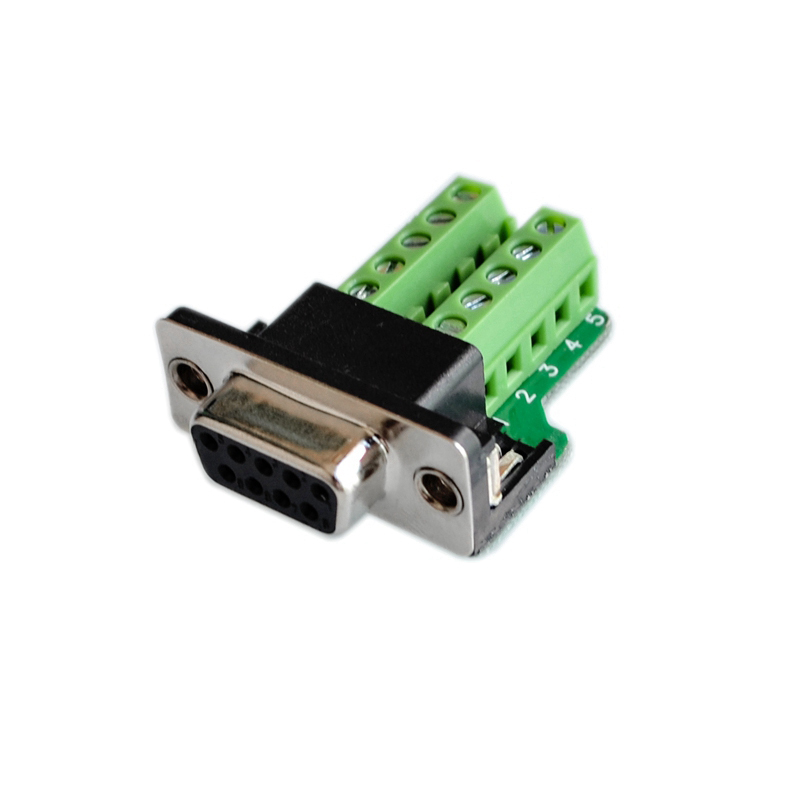
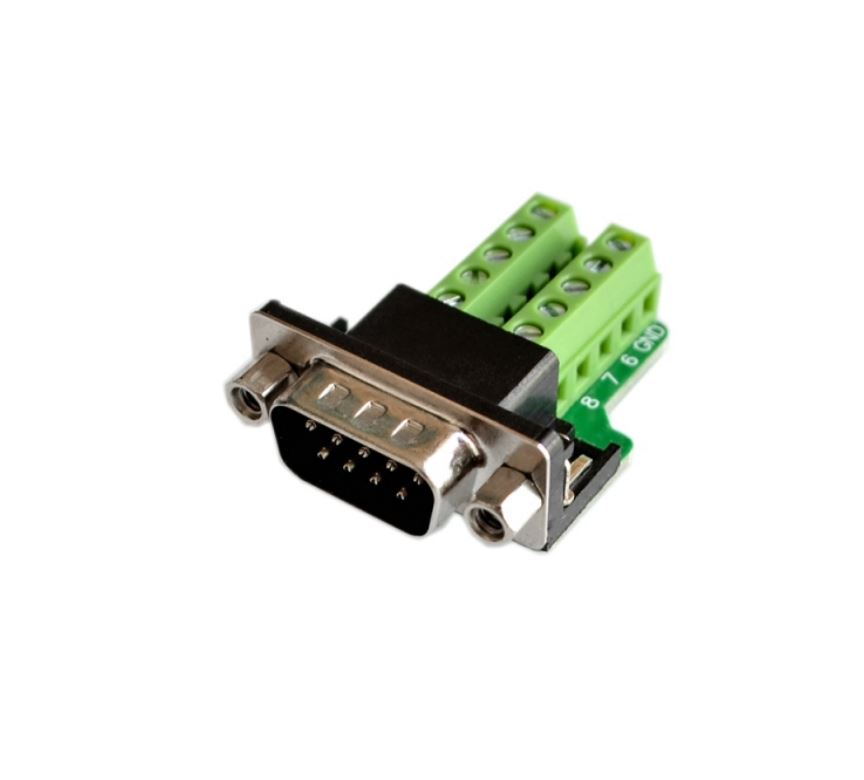
At CyberConnect, we offer a more efficient solution: DB9 Solderless Terminal Blocks with Protective Shells. Available in both Male and Female configurations, these connectors allow for rapid, secure, and tool-free serial communication setups.
What are DB9 Solderless Terminals?
A solderless DB9 connector replaces the traditional solder cups with a compact screw-terminal block or spring-clamp mechanism mounted directly to the connector pins.
By using these terminals, you can terminate a serial cable using nothing more than a small flathead screwdriver. This makes them ideal for RS232, RS422, and RS485 communication protocols where custom pinouts or quick repairs are required.
Key Features and Benefits
1. Field-Ready Convenience
The primary advantage is the elimination of the soldering iron. Whether you are in a server room or on a factory floor, you can strip a wire and secure it in seconds. This is especially useful for custom-length cables where pre-molded leads aren't an option.
2. Protective Hoods (Shells)
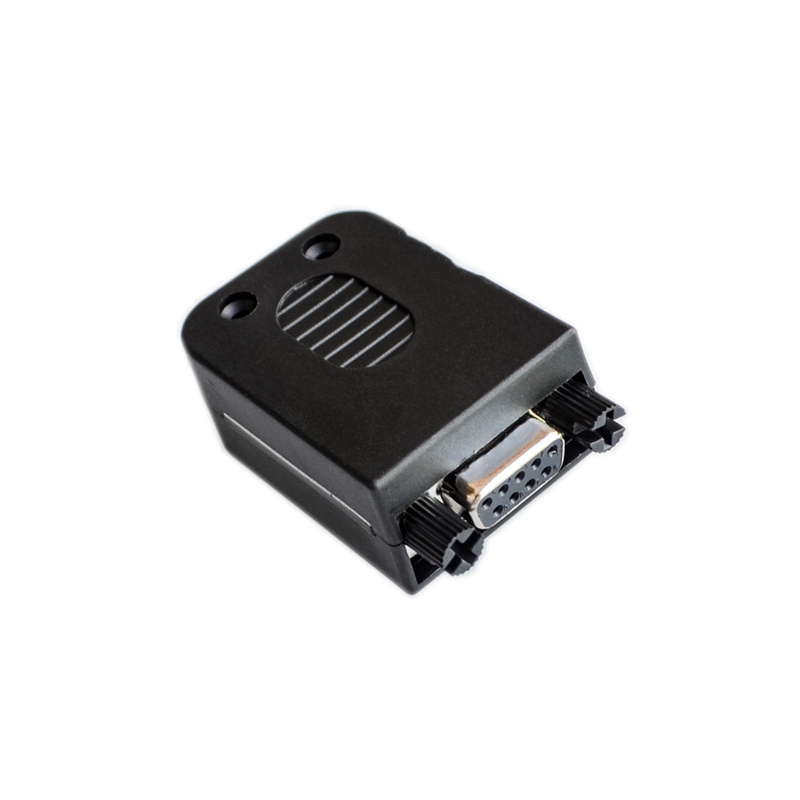
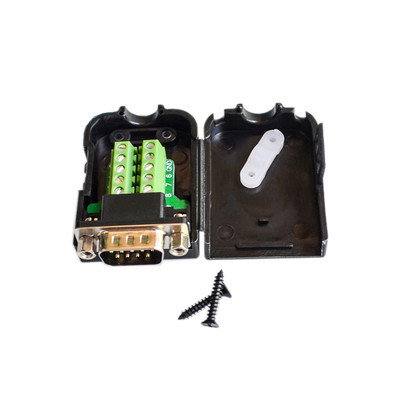
Unlike bare terminal blocks, our connectors come with high-quality ABS protective shells.
Strain Relief: The shell includes a cable clamp that prevents the wires from pulling out of the terminals.
Durability: The housing protects the connection points from dust, debris, and accidental shorts.
Professional Finish: The grey or black shells provide a clean, industrial look suitable for permanent installations.
3. Clear Labeling
Each terminal on the block is clearly numbered (1 through 9), corresponding exactly to the standard DB9 pinout. This significantly reduces the risk of "crossed wires" during installation.
4. Male vs. Female Connectors
DB9 Male: Typically used on the "DTE" (Data Terminal Equipment) side, such as a computer’s serial port or a PLC output.
DB9 Female: Typically used on the "DCE" (Data Circuit-terminating Equipment) side, such as modems, sensors, or peripheral devices.
Technical Specifications
Common Use Cases
Industrial Automation: Connecting PLCs to HMI touchscreens or motor drives.
IT Infrastructure: Accessing console ports on older switches, routers, and firewalls.
Scientific Equipment: Interfacing lab scales, sensors, and data loggers with modern workstations.
Prototyping: Rapidly testing different RS232 pin configurations without ruining connectors with repeated soldering.
How to Install
Prep the Cable: Thread your cable through the protective shell before stripping the outer jacket.
Strip the Wires: Strip approximately 5mm of insulation from each individual lead.
Terminate: Open the screw terminal for the desired pin, insert the wire, and tighten.
Secure the Shell: Place the terminal block into the bottom half of the shell, tighten the cable clamp, and snap the top cover into place using the provided screws.
Reliable Serial Solutions
Don't let a lack of soldering equipment slow down your project. The DB9 Solderless Terminal series provides a robust, professional, and reusable way to manage your serial communications.
Specifications for DB9 Serial Solderless Terminals with shell (YXA823)
| Connectors | Male or Female |
|
Connectors |
Male , Female |